
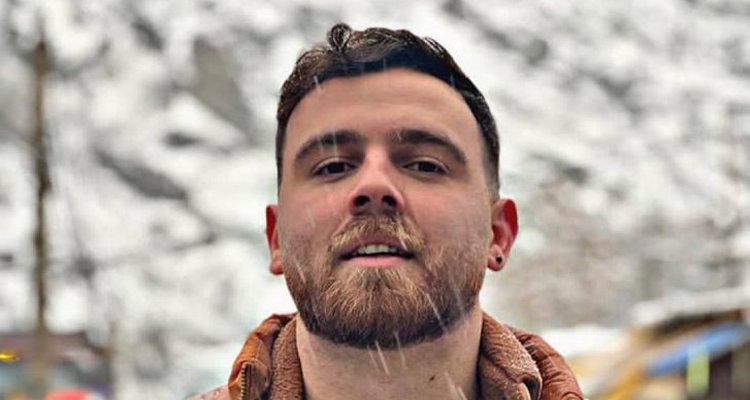
Tehran: Iranian authorities are preparing to execute a 26-year-old protester in what human rights groups say could become the first reported hanging linked to the ongoing anti-government uprising targeting Supreme Leader Ayatollah Ali Khamenei.
Erfan Soltani, a resident of Fardis near Karaj, was arrested on January 8 for participating in protests and has reportedly been sentenced to death. Rights monitors say the execution is scheduled for mid-January, raising fears of an intensified crackdown as nationwide demonstrations continue to spread.
Secretive Trial, No Legal Defence
According to the Hengaw Organisation for Human Rights, Soltani was denied access to a lawyer and tried in a non-transparent process. His family was reportedly informed of the death sentence only days later and allowed a brief final meeting. Even Soltani’s sister, a licensed lawyer, was allegedly barred from accessing case files or representing him.
If carried out, the execution would mark a shift in method. While Iran has previously executed protesters, those deaths were often by firing squad. Rights groups say the use of hanging signals a harsher phase of repression aimed at deterring further dissent.
Iran to hang 26-year-old in alleged first execution over protests, human rights groups warn https://t.co/6RRC3pKJKU pic.twitter.com/4bZKA33CrO
— New York Post (@nypost) January 12, 2026
Protest Death Toll Mounts
The warning comes amid alarming casualty figures. Iran Human Rights says at least 648 protesters, including nine children, have been killed in just over two weeks of unrest, with thousands injured and more than 10,000 arrested. Due to a near-total internet blackout imposed since January 8, independent verification remains extremely difficult.
Iranian authorities have labelled protesters as “rioters,” “enemies of God,” and “terrorists,” accusations that carry the death penalty under Iranian law. Officials have vowed swift trials in special Revolutionary Court branches.
From Economic Anger to Political Revolt
The current wave of protests began in late December 2025 in Tehran’s bazaars, triggered by economic distress, soaring inflation and the collapse of the rial. The movement quickly spread to all 31 provinces, evolving into one of the most serious political challenges to Iran’s clerical leadership in years, with open calls for systemic change.
Global Alarm
Rights advocates warn that Soltani’s case could open the door to fast-track executions of protesters. Iran Human Rights has urged urgent international intervention, warning that the scale of killings and the risk of mass executions echo some of the darkest chapters of the country’s recent history.
As international pressure grows, Tehran has so far shown no indication of easing its response, fuelling fears that the execution of Erfan Soltani may be only the beginning.