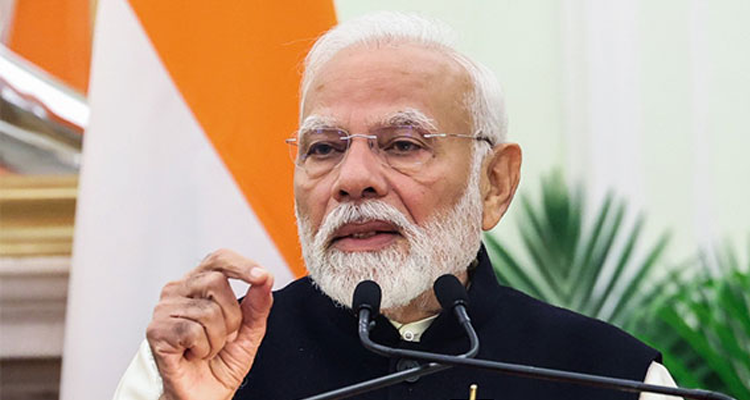
New Delhi: Amid rising tensions in West Asia, Prime Minister (PM) Narendra Modi has stepped up diplomatic outreach, holding a series of high-level conversations with leaders from Oman, Jordan, France, and Malaysia, urging immediate de-escalation and a return to dialogue.
In a key exchange with Haitham bin Tariq, Modi underscored India’s firm position on prioritising diplomacy to restore regional peace. He strongly condemned any violation of Oman’s sovereignty and lauded Muscat’s efforts in facilitating the safe evacuation of thousands, including Indian nationals, from conflict-hit zones.
Spoke with my dear friend, President Emmanuel Macron, on the situation in West Asia and the urgent need for de-escalation, as well as a return to dialogue and diplomacy.
We look forward to continuing our close coordination to advance peace and stability in the region and…
— Narendra Modi (@narendramodi) March 19, 2026
The Prime Minister also spoke with Abdullah II, extending advance Eid greetings while discussing the rapidly evolving security situation in the Gulf. Both leaders voiced deep concern over escalating tensions and jointly stressed the urgency of peaceful dialogue. Modi flagged attacks on critical energy infrastructure as “highly condemnable,” warning they risk triggering wider instability. He reiterated India and Jordan’s shared commitment to ensuring uninterrupted supply chains and energy flows, while appreciating Amman’s support in evacuating stranded Indians.
In Europe, Modi connected with Emmanuel Macron, with both sides aligning on the pressing need to defuse tensions. The two leaders agreed to continue close coordination in promoting peace, not only in West Asia but globally.
Extending his outreach to Southeast Asia, Modi held talks with Anwar Ibrahim, conveying greetings ahead of Hari Raya Aidilfitri. The leaders shared concerns over the deteriorating regional situation and reaffirmed their joint commitment to de-escalation and early restoration of stability.
Strategic Push for Stability
India’s diplomatic blitz comes at a time when West Asia faces heightened volatility, with concerns over energy security, regional sovereignty, and civilian safety mounting. New Delhi’s consistent emphasis on dialogue, respect for territorial integrity, and safe evacuation corridors highlights its growing role as a stabilising voice in global geopolitics.
With multiple strategic partners on the same page, India is positioning itself at the centre of international efforts aimed at cooling tensions and steering the region back toward peace.