
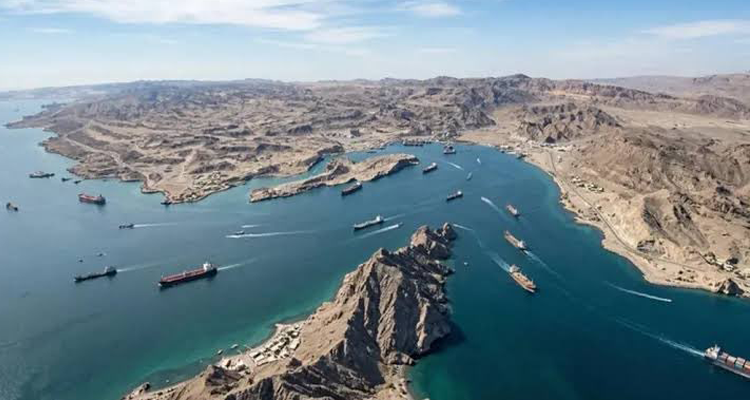
News Desk: In a move that could reshape global energy logistics, Iran is reportedly planning to levy a $1 per barrel transit fee on oil tankers passing through the strategic Strait of Hormuz during the ongoing two-week ceasefire, according to a report by the Financial Times.
Crypto Payments, Strict Inspections Proposed
Iranian authorities are expected to introduce a tightly monitored system requiring vessels to submit cargo details via email before transit. Each tanker would undergo inspection to ensure the waterway is not used for transporting weapons.
According to Hamid Hosseini, spokesperson for Iran’s oil and petrochemical exporters’ union, ships would be allowed passage—but only after completing formalities that may slow movement.
A striking feature of the proposal is the mandatory payment in Bitcoin, designed to bypass international sanctions and avoid tracking or freezing of funds. Payments would reportedly need to be completed within seconds after toll notification.
Iran demands $1 per oil barrel for ships passing Hormuz during ceasefire — FT citing spox of Iran’s oil exporters’ union
Toll to be paid in crypto, empty tankers can pass freely
‘If ANY vessels try to transit without permission, they will be destroyed’ pic.twitter.com/fqIhEQyFsS
— RT (@RT_com) April 8, 2026
Strategic Control and Security Oversight
Final rules governing passage will be set by Iran’s Supreme National Security Council. Reports suggest Tehran could redirect vessels toward the northern shipping lane, closer to its coastline—potentially complicating navigation for Western and Gulf-linked tankers.
The proposal builds on Iran’s earlier ceasefire framework, which included provisions allowing both Iran and Oman to impose transit charges.
Oman Rejects Toll Plan
Oman has firmly dismissed the idea of imposing fees on vessels transiting the strait. Authorities in Muscat reiterated that existing international agreements guarantee free and unrestricted navigation, emphasizing that no toll regime is permissible in the waterway.
A Global Energy Lifeline at Stake
The 34-kilometre-wide Strait of Hormuz, located between Iran and Oman, remains one of the world’s most critical النفط corridors, handling nearly 20% of global oil trade. Any disruption or policy shift in the region is closely tracked by international energy markets.
Iran has indicated that proceeds from the proposed toll would support post-war reconstruction, citing damage to infrastructure during recent hostilities.
Trump Floats “Joint Venture” Idea
In a surprising twist, former US President Donald Trump told ABC News journalist Jonathan Karl that Washington and Tehran were exploring a joint mechanism to collect transit tolls.
“We’re thinking of doing it as a joint venture… It’s a way of securing it,” Trump said, calling the idea “a beautiful thing.”
However, no other US official has confirmed such discussions, leaving the proposal unverified beyond Trump’s remarks.
Bottom line: Iran’s reported plan to impose crypto-based tolls on one of the world’s busiest oil corridors has triggered geopolitical ripples, with Oman’s rejection and uncertain US signals adding layers of complexity to an already fragile ceasefire landscape.