UK: A groundbreaking study led by the University of Leeds is set to examine the long-term impact of rare blood disorders diagnosed in childhood, aiming to improve care and outcomes for thousands of patients.
Announced on April 9, 2026, the Haematology Lived Experience and Outcomes (HALO) study will investigate conditions such as Sickle Cell Disease, Beta Thalassemia, and Acute Leukaemia. Researchers will link health records across England and gather patient insights through surveys to better understand how these conditions affect individuals into adulthood.
In the UK, around 17,500 people live with sickle cell disease, while approximately 1,100 are affected by beta thalassemia. Experts stress that understanding patients’ lived experiences beyond childhood is essential to refining treatments and addressing persistent health inequalities.
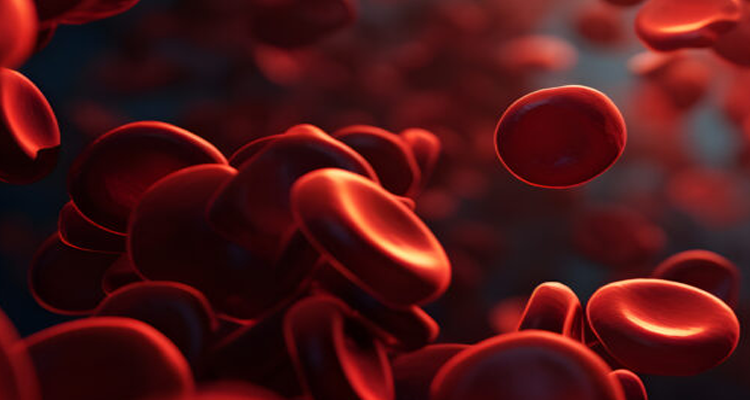
Both sickle cell disease and beta thalassemia affect red blood cells, causing anaemia, reduced oxygen flow, and chronic fatigue. Sickle cell disease can also lead to severe pain episodes, stroke, and increased infection risk, while beta thalassemia is linked to poor growth and long-term fatigue. Though these are lifelong conditions associated with reduced life expectancy, advances in care—such as regular blood transfusions and stem cell transplants—have enabled many patients to survive into adulthood.
Acute leukaemias, aggressive cancers of white blood cells, are typically treated with chemotherapy or bone marrow transplants. In severe cases, patients may experience life-threatening complications, including seizures and vomiting caused by extremely high white blood cell counts.
The study also highlights the social challenges faced by patients. Solome Mealin, a patient living with sickle cell disease, noted that limited awareness among healthcare professionals can lead to misunderstanding and stigma. She emphasised the importance of sharing patient experiences to improve understanding and care.
Supported by a £680,000 grant from Leeds Hospitals Charity, the HALO study is a collaborative effort between the University of Leeds and Leeds Teaching Hospitals NHS Trust, including Leeds Children’s Hospital.
Professor Richard Feltbower, who is co-leading the study, said the research will provide crucial insights into life expectancy, long-term health risks, and the impact of these conditions on education and employment. The findings are expected to guide the NHS in delivering more effective and holistic care.
Patients involved in the study have also stressed the importance of participation. Kabir Hussain, who underwent treatment for beta thalassemia as a child, said that while discussing such conditions can be difficult in some communities, research like HALO could significantly improve future outcomes.
The project is part of Child Health Outcomes Research at Leeds (CHORAL), a partnership focused on improving paediatric health outcomes. It will utilise NHS data, national registries, and educational and social care datasets. The survey component launched in January 2026, while data linkage began in Autumn 2025.
With contributions from organisations including the Sickle Cell Society, the UK Thalassaemia Society, and the National Institute for Health and Care Research, the HALO study is expected to fill a major gap in understanding the lifelong impact of childhood blood disorders and pave the way for improved patient care.