
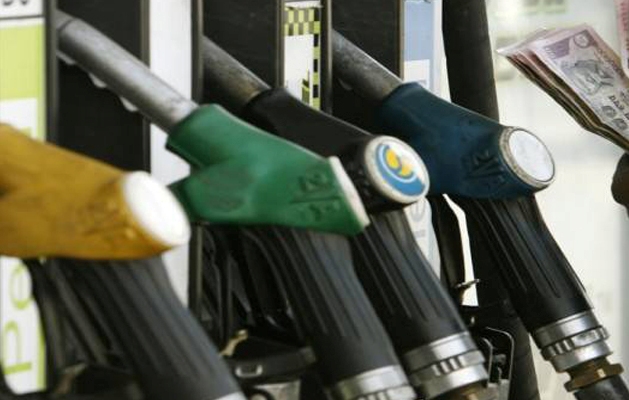
News Desk: In a major relief for consumers battling soaring fuel costs, the Centre on Friday announced a sharp cut in excise duty on petrol and diesel, cushioning the impact of the ongoing Middle East crisis and surging global crude prices.
According to a government order issued on March 26, the excise duty on petrol has been reduced from ₹13 per litre to ₹3 per litre — a steep ₹10 cut. Diesel prices have seen an even bigger breather, with excise duty brought down from ₹10 per litre to zero.
International crude prices have gone through the roof in the last 1 month from around 70 dollars/barrel to around 122 dollars/barrel. Consequently, petrol and diesel prices for consumers have gone up all over the world. Prices have increased by around 30%-50% in South East Asian…
— Hardeep Singh Puri (@HardeepSPuri) March 27, 2026
The move comes as global crude prices have spiked dramatically over the past month. Petroleum Minister Hardeep Singh Puri highlighted that international oil rates have surged from around $70 per barrel to nearly $122 per barrel, pushing fuel prices upward worldwide.
He noted that several regions have witnessed sharp hikes — up to 50% in parts of Southeast Asia and Africa, around 30% in North America, and nearly 20% across Europe — underscoring the global scale of the crisis.
Puri emphasized that the government has absorbed significant revenue losses to shield consumers and reduce the burden on oil companies, which are currently facing heavy under-recoveries. At the same time, an export tax has been imposed to discourage refiners from capitalizing solely on high international prices.
The minister credited the decision to Prime Minister Narendra Modi and Finance Minister Nirmala Sitharaman, calling it a “timely and bold intervention.”
Meanwhile, the global situation remains tense. The ongoing conflict in the Persian Gulf has severely disrupted commodity supply chains. According to the Food and Agriculture Organization, tanker movement through the Strait of Hormuz — a key global energy corridor — has dropped by over 90%.
This disruption is triggering what experts describe as a “double shock” for farmers worldwide, with both fuel and fertilizer prices rising sharply — threatening agricultural output and global food security.
With oil flows, fertilizer trade, and LNG shipments heavily impacted, economists warn that unless the crisis eases soon, the ripple effects could deepen across economies and households alike.