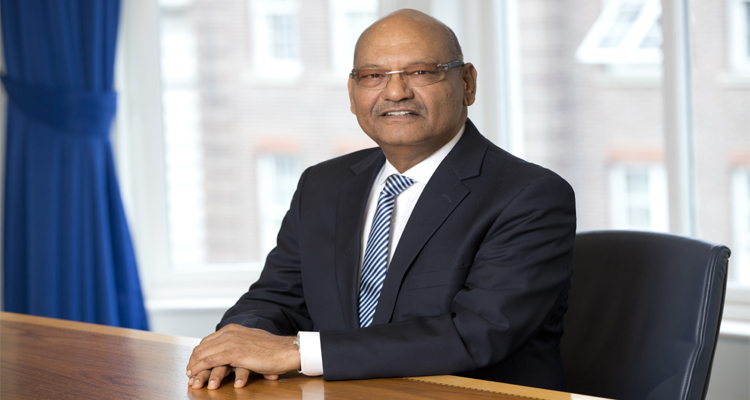
Mumbai: Calling energy security a strategic necessity, Vedanta Group Chairman Anil Agarwal has urged India to accelerate efforts toward energy independence, warning that heavy reliance on imports leaves the country exposed in an increasingly uncertain geopolitical climate.
In a post on social media platform X, Agarwal said India’s dependence on imported hydrocarbons — accounting for nearly 90% of its oil and gas needs — makes the economy vulnerable to global disruptions. He cautioned that the country’s geographic exposure, surrounded by sea on three sides, adds to the risk during periods of conflict or trade disruption.
In today’s turbulent geopolitics, it is critically important for every large nation to secure energy independence. India is vulnerable because we import 90% of our oil and gas. We are surrounded by sea on three sides which can be blockaded in hostile times. There is no option but…
— Anil Agarwal (@AnilAgarwal_Ved) February 9, 2026
Stressing the urgency of the situation, Agarwal said boosting domestic production is the only sustainable path forward. With India emerging as the world’s fastest-growing oil and gas market, he noted that demand is expected to climb steadily over the next two decades, making self-reliance even more critical.
He argued that India’s natural resource base and entrepreneurial ecosystem provide a strong foundation for expansion in exploration and extraction. According to Agarwal, the country possesses vast untapped reserves — estimated at hundreds of billions of barrels of oil equivalent — and a skilled talent pool, with Indian professionals forming a significant share of global oil and gas expertise. Exploration, he emphasised, remains the cornerstone of the sector.
Pointing to international examples, Agarwal cited the United States’ transformation from energy importer to producer by opening exploration opportunities to private players and incentivising investment. He said India could replicate such success by empowering businesses, startups and innovators to participate more actively.
The industrialist also highlighted structural challenges, noting that India currently has only around 200 active energy licences, far below the level required to unlock its potential. He flagged regulatory and legal uncertainties as major deterrents, warning that even isolated disputes can undermine investor confidence and slow sectoral progress.
Drawing a parallel with India’s journey to food self-sufficiency, Agarwal called for a determined national push to achieve similar results in energy. He asserted that domestic production generates jobs and long-term economic value, urging policymakers and industry to act decisively as global competition intensifies for access to resources.
With governments worldwide racing to secure critical energy and mineral supplies, Agarwal said India must move swiftly to develop its own reserves — while acknowledging ongoing policy efforts to encourage investment, collaboration and growth in the sector.