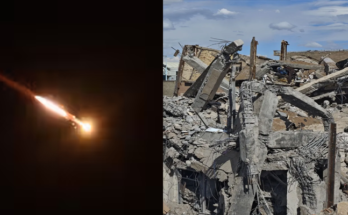

News Desk: Amid relentless US-Israel strikes hitting strategic command centres in Tehran and a deadly assault on a key Iranian port, a fragile diplomatic opening is emerging in West Asia—but with a firm red line from Tehran: halt the attacks before any talks begin.
As the conflict drags into its second month, Iran has signalled conditional readiness to engage with the United States, with Pakistan emerging as a potential mediator, according to top diplomatic sources cited by CNN-News18. However, Tehran’s message is unambiguous—no cessation of hostilities, no negotiations.
While the proposed backchannel is being viewed as a possible off-ramp from escalating tensions, deep-rooted mistrust and ongoing military operations continue to cast doubt over any immediate breakthrough.
#WestAsiaWar | Iran President Pezeshkian, Pakistan PM Sharif Held Over One-Hour Call On Regional Hostilities, Peace Efforts: Pakistan PM Office
Iranian Pres Tells Pakistan PM Trust Needed For Talks, Praises Islamabad’s Peace Role pic.twitter.com/vkx2KKlj6y
— CNBC-TV18 (@CNBCTV18Live) March 28, 2026
Tehran Targeted, War Strategy Expands
Even as diplomatic signals flicker, the battlefield tells a different story. Fresh waves of strikes have hit military-linked infrastructure in Tehran, underscoring a sustained campaign to degrade Iran’s strategic capabilities.
Notably, the conflict has moved beyond conventional military targets. Critical economic assets—including ports and logistics hubs—are now in the crosshairs, pointing to a broader war strategy that could disrupt regional trade corridors and global energy supplies.
Houthis Open New Front, Red Sea at Risk
The conflict has widened further with Yemen’s Houthi rebels entering the fray, launching repeated missile and drone strikes against Israel.
The Houthis have vowed to sustain their attacks until Israeli operations cease, effectively opening a new фронт in the conflict. Their involvement has also heightened concerns over the security of vital maritime routes in the Red Sea—a key artery for global shipping.
Diplomacy Lags Behind Escalation
What began as a direct confrontation is rapidly morphing into a multi-front regional crisis, pulling in new actors and amplifying humanitarian and economic risks.
While Pakistan’s potential mediation offers a narrow diplomatic window, the pace and scale of military escalation continue to outstrip efforts at dialogue.
For now, West Asia stands at a tipping point—caught between the accelerating momentum of war and a fragile, uncertain hope for peace talks.
Tehran Seeks Security Guarantees Before Talks
According to diplomatic sources, Tehran has outlined a stringent set of preconditions for entering any mediation process with Washington, signalling that any diplomatic breakthrough will depend on firm security assurances.
At the core of Iran’s demands is an immediate and complete halt to ongoing attacks, coupled with credible guarantees from both the United States and Israel that no further military action will be undertaken.
In a broader diplomatic push, Iran has also sought concrete commitments from key regional players—Pakistan, Saudi Arabia, Egypt, and Turkey—urging them to ensure that Washington meaningfully addresses Tehran’s concerns during any mediation effort.
These four countries are expected to deliberate on Iran’s conditions in upcoming consultations in Islamabad, with the aim of crafting a structured roadmap for potential negotiations.
Diplomatic sources indicate that if these nations succeed in securing assurances from Washington, the groundwork could be laid for a temporary ceasefire or pause in hostilities—opening a narrow window for Iran to formally engage in the mediation framework.