
Trump Warns Iran of ‘Severe Consequences’ Ahead of Islamabad Talks; Strait of Hormuz Tensions Rise
Washington: Donald Trump has issued a stark warning to Iran just days before crucial second-round negotiations with the United States in Islamabad, sharply escalating tensions in an already volatile region.
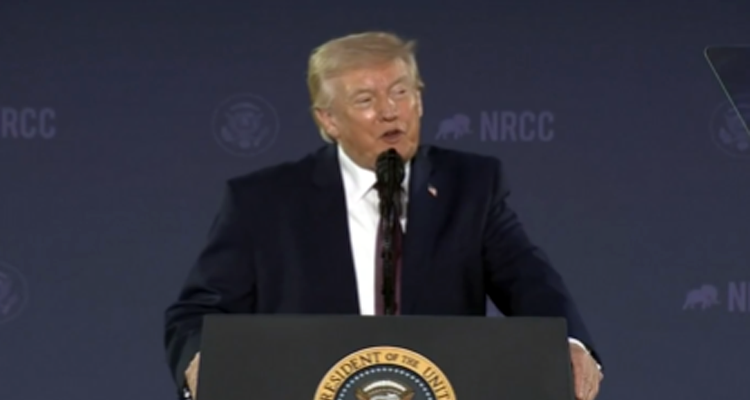
In a fiery post on his Truth Social platform on Sunday, Trump declared “NO MORE MR. NICE GUY!”, warning that if Tehran refuses to accept a proposed deal, Washington could launch devastating strikes on key Iranian infrastructure, including power plants and bridges. He also accused Iran of violating a fragile ceasefire by opening fire in the Strait of Hormuz.
“…We’re offering a very fair and reasonable DEAL, and I hope they take it because, if they don’t, the United States is going to knock out every single Power Plant, and every single Bridge, in Iran. NO MORE MR. NICE GUY…” – President Donald J. Trump pic.twitter.com/L4wQMJfGE6
— The White House (@WhiteHouse) April 19, 2026
The warning comes on the eve of high-stakes talks between U.S. and Iranian delegates, with a two-week ceasefire nearing its expiry. Trump insisted that Iran must accept what he termed a “fair deal,” adding that any attempt by Tehran to block the Strait would backfire economically, costing it hundreds of millions of dollars daily while having limited impact on the United States.
Iran Signals Caution, Admits Gaps
On the Iranian side, Mohammad Bagher Ghalibaf struck a more measured tone, acknowledging “some progress” in the negotiations but underlining that major differences remain unresolved.
“There are many gaps and fundamental issues still on the table. We are far from a final agreement,” he said, stressing that Iran is negotiating from a position of strength.
Strait of Hormuz Closure Deepens Crisis
The strait has become a central flashpoint in the ongoing confrontation, which began after the United States and Israel launched military operations on February 28 during negotiations over Iran’s nuclear programme. For Iran, blocking the waterway serves as a powerful economic lever with global repercussions; for Washington, tightening economic pressure aims to weaken Tehran’s financial resilience.
High Stakes for Region and Global Economy
Despite a tenuous ceasefire, the standoff risks reigniting a broader conflict in West Asia. The ongoing hostilities have already claimed thousands of lives across Iran, Lebanon, Israel, and Gulf nations, including military personnel from both the U.S. and Israel.
With negotiations in Islamabad approaching and deadlines looming, all eyes are now on whether diplomacy can bridge deep divides—or whether the region is headed toward another dangerous escalation.