Tehran Reportedly Ready to Give Up Enriched Uranium
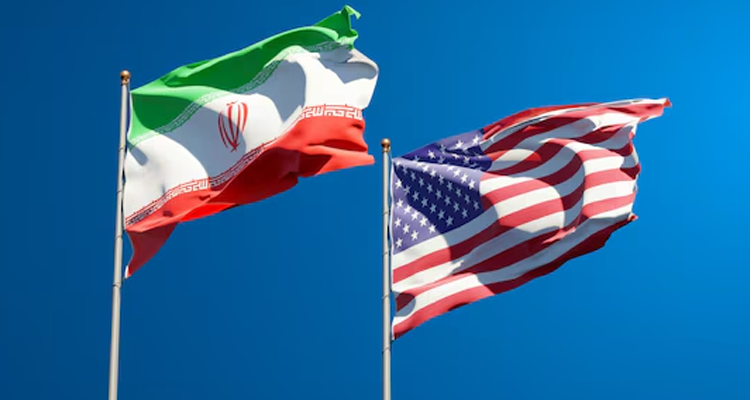
News Desk: A major diplomatic breakthrough may be on the horizon in West Asia, as US Secretary of State Marco Rubio indicated that a proposed peace agreement between the United States and Iran could be finalised “possibly today.”
Speaking to reporters on Monday morning, Rubio hinted that intensive behind-the-scenes negotiations are nearing a decisive stage, though he cautioned against drawing conclusions too early.
“We thought we might have some news last night. Maybe today. I wouldn’t read too much into it,” Rubio told the media.
“Significant progress made on Iran.”
US Secretary of State Marco Rubio says more announcements from President Trump are expected later today, stressing that Iran must never obtain a nuclear weapon.#IranDeal #USNews #MarcoRubio pic.twitter.com/upOgE3Z2iK
— VARTA ( वार्ता ) (@varta24news) May 24, 2026
Trump Rules Out ‘Cash’ Deal With Iran
Adding fresh uncertainty and political drama to the already sensitive negotiations, US President Donald Trump publicly declared that any possible agreement with Tehran would involve absolutely “no cash” or financial handouts from Washington.
Posting on his Truth Social platform, Trump asserted that the proposed peace arrangement would not include direct monetary concessions to Iran, even as diplomatic channels intensify efforts to end the ongoing military tensions in West Asia.
Trump’s statement comes amid reports that multiple nations are working toward a proposed 60-day ceasefire framework designed to halt the ongoing US-Israeli military campaign against Iran and ensure the permanent reopening of the strategically crucial Strait of Hormuz — one of the world’s most important global oil transit routes.
Iran-US Peace Deal in Final Stages; Announcement Expected Soon
Washington / Tehran
Negotiations between Iran and the United States over a landmark diplomatic agreement have entered their final stages, with sources indicating consensus has been reached on key issues.
US Secretary… pic.twitter.com/iBaKzLm2wz— Voice of Germany (@NewsVOG) May 25, 2026
Focus on Strait of Hormuz and Nuclear Program
Without disclosing the full details of the ongoing negotiations, Rubio confirmed that the proposed agreement primarily revolves around reopening and securing the Strait of Hormuz and addressing Iran’s controversial nuclear programme.
According to Rubio, negotiators have placed a “solid” framework on the table that could pave the way for de-escalation in the Gulf region.
“We have what I think is a pretty solid thing on the table in terms of their ability to open up the straits, get the straits open, enter into a very real, significant, time-limited negotiation on the nuclear matter, and hopefully we can pull it off,” he said.
Iran Reportedly Willing to Surrender Enriched Uranium
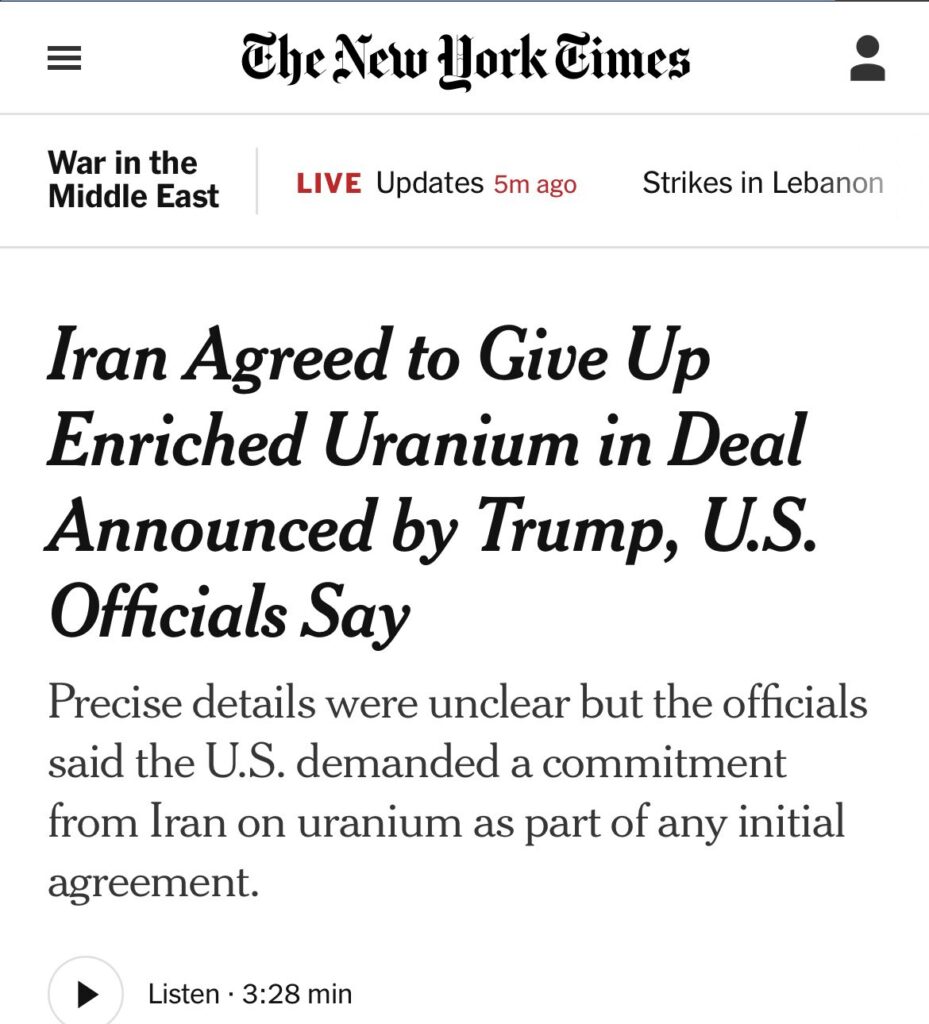
In what could become the most significant element of the proposed deal, sources familiar with the talks claim that Iran has signaled readiness to surrender its stockpile of highly enriched uranium under international supervision.
The reported move is being viewed as a major concession by Tehran and a possible turning point in decades of hostility between Washington and Tehran. Under the emerging framework, Iran would reportedly halt further uranium enrichment activities while allowing its existing stockpile to be transferred, monitored, or dismantled through internationally supervised mechanisms.
In return, the United States is expected to consider partial sanctions relief, unfreezing selected Iranian assets, and easing restrictions on Iranian oil exports.
A High-Stakes Diplomatic Gamble
Iran’s nuclear programme has remained one of the world’s most sensitive security issues for nearly two decades. Western nations have long argued that highly enriched uranium could potentially be used for developing nuclear weapons, allegations that Iran has repeatedly denied, insisting its programme is solely for civilian and peaceful energy purposes.
Sources involved in the negotiations say multiple options are currently being discussed regarding Iran’s uranium reserves, including transferring the material to a third country or destroying it under international oversight.
However, several political and technical hurdles still remain unresolved.
Gulf Mediators Push for Breakthrough
Regional diplomatic players, particularly Gulf nations, are believed to be actively facilitating communication between Washington and Tehran in an effort to prevent further escalation in the Middle East.
Analysts believe a successful agreement could significantly impact global oil markets, maritime security, and the overall geopolitical balance in West Asia.
Despite growing optimism surrounding the negotiations, observers caution that deep mistrust between the two nations, domestic political resistance on both sides, and broader regional tensions could still derail the process at the final stage.
If concluded, the agreement could mark one of the most consequential diplomatic breakthroughs in the Middle East since the collapse of the 2015 Iran nuclear deal.