
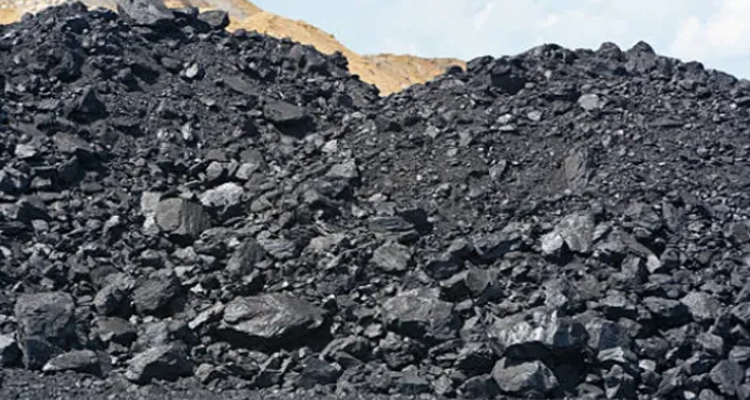
Ranchi/Hazaribagh: The death toll from Jharkhand’s illegal coal mining menace continues to rise. A worker was killed and two others injured when an illegally operated coal pit collapsed in Hazaribagh’s Barkagaon block, turning the spotlight once again on a shadow industry that thrives beneath the state’s mineral-rich landscape. From Hazaribagh to Ramgarh, repeated accidents, rampant coal pilferage and massive revenue losses are exposing what experts describe as one of Jharkhand’s most persistent governance challenges.
The latest tragedy unfolded in Hazaribagh’s Barkagaon block, where a worker was killed and two others sustained injuries after an illegally operated coal pit reportedly collapsed near the Badam-Rautpara area earlier this month. The incident triggered panic among local residents, while allegations surfaced that efforts were made to keep details of the accident under wraps.
For many in the region, the accident was not a surprise but another chapter in a long-running crisis that has turned Jharkhand’s coal belt into a graveyard for poor labourers risking their lives for daily wages.
Deaths Mount, Lessons Remain Unlearned
The Barkagaon incident follows a series of fatal accidents linked to illegal coal mining across the state.
In June, four youths died inside an abandoned coal tunnel in Ramgarh’s Argada area after reportedly suffocating due to oxygen depletion and toxic gases. In 2024, three people were killed in Hazaribagh’s Bariatu-Khawa region when river water flooded an illegally operated mine.
Whether caused by cave-ins, toxic fumes, flooding or shaft collapses, experts say the underlying problem remains the same — hazardous and unregulated mining conducted outside the legal framework.
Most victims belong to economically vulnerable families and enter abandoned or illegally excavated pits without protective equipment, safety training or emergency support systems.
Barkagaon Emerges as Illegal Mining Hub
Barkagaon and adjoining coal-bearing regions have repeatedly surfaced as hotspots of illegal mining activity despite repeated crackdowns by authorities.
Official records indicate that enforcement agencies have carried out multiple operations over the years:
- Ten illegal coal mines were demolished in Barkagaon in 2021.
- Large-scale raids were conducted in forest areas during 2022.
- More than 34 tonnes of illegally extracted coal were seized from Rautpara forest in 2024.
- Around 65 tonnes of illegal coal were recovered from Gondalpura in 2025.
- Forest officials sealed dozens of illegal mine openings in the region.
- Over 50 cases related to illegal mining were reportedly registered within six months during 2022.
Yet, despite seizures, raids and FIRs, illegal mining networks continue to reappear, often shifting operations to new locations.
Why the Illegal Trade Thrives
Experts attribute the persistence of illegal mining to a mix of economic distress and administrative shortcomings.
Strong demand from brick kilns, small industries and informal markets ensures a ready market for stolen coal. Vast abandoned mining zones and remote forested areas provide opportunities for illegal operators to function with limited surveillance.
Unemployment in coal-bearing districts further pushes local residents into risky mining activities, often for meagre daily earnings.
Observers also point to the existence of organised supply chains that manage extraction, transportation and distribution, allowing illegally mined coal to reach markets both within and outside Jharkhand.
Massive Revenue Losses to the State
Beyond human casualties, illegal mining is inflicting a significant economic burden on Jharkhand.
Unlike legal mining operations, which generate royalties, taxes and District Mineral Foundation Trust (DMFT) contributions, illegally extracted coal bypasses all regulatory mechanisms. The result is substantial revenue leakage and loss of public resources that could otherwise support infrastructure, welfare and development projects.
Industry experts note that properly regulated mining projects generate employment while contributing hundreds of crores of rupees annually to the state’s economy. Illegal mining, by contrast, enriches unregulated networks at the expense of public revenue.
Environmental Damage Adds to the Crisis
The ecological cost is equally alarming.
Illegal mining often occurs in forest areas through crude tunnelling methods that weaken land stability, destroy vegetation and increase the risk of subsidence. Groundwater sources and local ecosystems also face long-term damage.
The growing concern has even drawn judicial scrutiny, with the Jharkhand High Court recently expressing serious concern over illegal mining activities and regulatory failures in the state.
Need for a Long-Term Solution
Mining experts believe that accelerating legally approved mining projects could reduce the operational space available to illegal operators. However, they caution that enforcement drives alone cannot eradicate the problem.
A lasting solution will require coordinated efforts involving mining authorities, police, forest departments, local administrations and community stakeholders. Stronger surveillance, stricter prosecution, alternative livelihood opportunities and transparent mineral governance are considered essential to breaking the cycle.
A Challenge Beyond Law and Order
The recurring tragedies in Barkagaon, Argada, Bariatu and other coal-producing regions underline a stark reality: illegal coal mining in Jharkhand is no longer an isolated criminal activity but a systemic challenge affecting lives, public finances and environmental sustainability.
Every mine collapse leaves behind bereaved families. Every truckload of stolen coal deprives the state of valuable revenue. Every illegal tunnel raises the possibility of another preventable death.
For Jharkhand, the challenge is not merely extracting coal from its vast reserves, but ensuring that the resource drives economic growth and public welfare without continuing to claim lives in the shadows of illegal mining.